Living in New Orleans means your air conditioner works harder than most systems in the country. Between the relentless summer heat and near-constant humidity, your HVAC cooling system is under real strain for most of the year. When something goes wrong, even a small issue can quickly turn into an uncomfortable home or a sky-high energy bill.
1. Why Is a Dirty Air Filter Such a Big HVAC Problem?
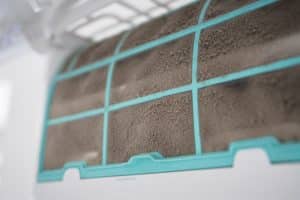
A clogged air filter is the most common cause of HVAC cooling failure. When the filter fills with dust and debris, it chokes off airflow to the system. Your AC then has to work overtime just to move the same amount of air, leading to poor cooling, higher energy bills, and faster wear on components.
Here is what to watch for:
Reduced airflow from your vents
Rooms that take longer than usual to cool down
Your AC running constantly without reaching your set temperature
Visible gray or brown buildup on the filter surface
Most standard filters should be replaced every one to three months. If you have pets or allergies, check yours monthly to stay ahead of the problem.
2. What Causes Refrigerant Leaks in Your AC System?
Refrigerant is the substance that makes cooling possible. It pulls heat out of indoor air and transfers it outside. When refrigerant levels drop due to a leak, your AC cannot cool your home effectively and will struggle no matter how long it runs.
The U.S. Department of Energy confirms that low refrigerant is almost always the result of a leak, not normal use.
Common warning signs include:
Ice forming on the evaporator coil
Warm air blowing from your vents
A faint hissing or bubbling sound near the refrigerant lines
Humidity levels rising inside your home
All refrigerant work must be handled by an EPA Section 608-certified technician. If you suspect a leak, turn off the system and call a licensed HVAC professional right away to have the leak repaired and the system recharged correctly.
3. Why Do Evaporator Coils Freeze Over?
Your evaporator coil absorbs heat from indoor air during the cooling cycle. If airflow drops too low or refrigerant levels fall short, moisture on the coil freezes solid. A frozen evaporator coil blocks cooling entirely and can damage your compressor if left unaddressed.
To thaw frozen coils safely:
Turn off the AC and switch to fan-only mode
Allow several hours for the coil to fully thaw
Replace the air filter before restarting the system
Check that all vents throughout your home are open and unobstructed
If your coils freeze regularly, that is a clear sign you need professional service. The fix is usually straightforward when caught early.
4. How Do Dirty Condenser Coils Affect Your Cooling?
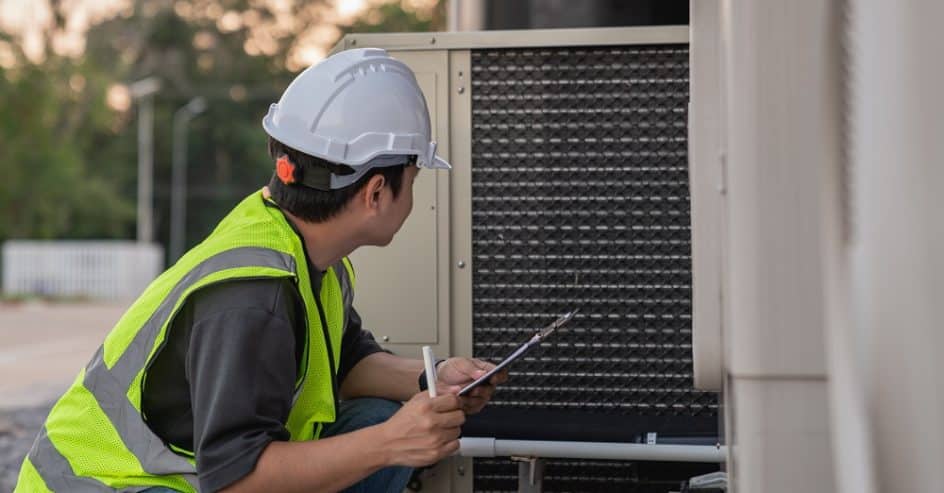
The condenser coils on your outdoor unit release heat pulled from inside your home. When they get coated in dirt, leaves, and debris, heat cannot escape efficiently. This forces the system to run longer, strains the compressor, and drives up your monthly energy costs.
Dirty condenser coils are especially common in New Orleans, where outdoor units face humidity and vegetation year-round.
Here is how to stay ahead of the issue:
Clear 2 to 3 feet of space around the outdoor unit
Keep grass, shrubs, and vines trimmed back regularly
Rinse the exterior fins with a garden hose after shutting off power
Schedule annual professional coil cleaning as part of your maintenance plan
5. What Happens When Your AC Drain Line Gets Clogged?
Your HVAC system removes humidity from indoor air through a condensate drain line. When algae, mold, or debris block this line, water backs up into the drain pan and overflows. Left unchecked, a clogged drain line causes water damage and mold growth inside your walls or ceilings.
Signs your drain line may be clogged:
Water pooling around the base of your air handler
Musty odors coming from the vents
Your AC shutting off on its own (many systems have a safety float switch)
Visible moisture or staining near the indoor unit
Pour a diluted bleach solution down the drain line every few months to prevent algae buildup. If the drain pan is already overflowing, shut off the system and call a technician right away.
6. Is a Faulty Thermostat Causing Your AC to Malfunction?
A faulty or miscalibrated thermostat sends incorrect signals to your HVAC system. It may stop the AC before your home reaches the target temperature, or keep it running when it should be off. The result is uneven cooling, wasted energy, and unnecessary wear on your equipment.
Start with these basic checks before calling for service:
Confirm the thermostat is set to “cool” mode
Replace the batteries if the display looks dim or blank
Make sure it is not positioned in direct sunlight or near a heat source
Check that no vents are blowing directly on the thermostat sensor
Upgrading to a programmable or smart thermostat, such as a Nest or Ecobee model, gives more accurate temperature control and can noticeably reduce your energy costs over a full cooling season.
7. What Is AC Short Cycling and Why Is It So Harmful?
Short cycling is when your AC turns on, runs for just a few minutes, shuts off, and immediately restarts. Each startup puts heavy strain on the compressor. Over time, short cycling causes premature system failure and leaves your home never feeling fully cool.
The most common causes of short cycling include:
An oversized AC unit that cools the space too quickly
Low refrigerant levels triggering a safety shutoff
A clogged air filter restricting airflow
A thermostat that is malfunctioning or improperly placed
If your system is less than two years old and already short cycling, it may simply be the wrong size for your square footage. An HVAC professional can pinpoint the cause and recommend the most practical path forward.
8. Why Is the Airflow From Your Vents So Weak?
Poor airflow from your vents usually signals a blockage somewhere in the system. The cause could be a clogged filter, debris around the outdoor unit, leaky ductwork, or a worn blower fan. Weak airflow also hurts indoor air quality by letting dust and allergens accumulate instead of circulating out.
Before calling a technician, do a quick walkthrough and check for:
Vents that are fully or partially closed
Furniture, curtains, or rugs blocking airflow
Rooms that get strong airflow while others feel stuffy (a sign of duct leaks)
A dirty or clogged outdoor unit restricting the system’s ability to pull air
If certain areas of your home are consistently warmer, professional duct sealing and air balancing can solve the problem for good.
9. What Are the Warning Signs of a Failing Blower Motor?
The blower motor pushes conditioned air through your ductwork and into each room. When it starts to fail, you may notice little or no airflow, unusual sounds from the air handler, or a burning smell near the vents. A failed blower motor can cause the compressor to overheat and fail.
Watch for these warning signs:
Grinding, squealing, or rattling from the air handler unit
A burning or electrical smell coming from the vents
Airflow that has dropped noticeably over recent weeks
The system running but no air coming through the registers
Blower motor repair requires specialized tools and knowledge of both electrical and mechanical systems. Contact a licensed HVAC technician as soon as you spot any of the signs above.
10. Why Are Your Energy Bills Suddenly Much Higher?
A sharp increase in your energy bills often means your HVAC system is working harder than it should. Dirty filters, refrigerant issues, clogged coils, and aging parts all force the system to consume more power for less cooling output. If your bills are climbing and your home still feels warm, your AC needs attention.
Common reasons your energy bills spike include:
A dirty or clogged air filter making the system work harder
Refrigerant levels that are too low or too high
Condenser or evaporator coils coated in grime
An aging unit that has lost efficiency over time
Leaky ductwork letting cooled air escape before it reaches your rooms
The U.S. Department of Energy notes that a yearly tune-up of your heating and cooling system can improve efficiency and comfort, and that improper installation alone can reduce system efficiency by up to 30 percent. Skipping regular service allows small problems to compound quietly, driving up your bills season after season.
Schedule Your HVAC Service With New Orleans’ Trusted Team
Understanding these 10 common HVAC cooling system problems helps you catch issues early and avoid the repairs that come from letting small problems sit. Most of these causes have straightforward solutions when a trained technician finds them quickly.
Big Easy HVAC has been serving New Orleans homeowners and businesses with fast, professional HVAC cooling service, maintenance, and installation for years.
Ready to get your system back to peak condition? Call us today at 504-285-5606for a free estimate and let our experienced team handle the rest.
Frequently Asked Questions
How often should I replace my HVAC air filter?
Most standard air filters should be replaced every one to three months. Homes with pets, heavy system usage, or occupants with allergies should check filters monthly. A clogged filter is the single most common cause of poor HVAC cooling performance.
Can I add refrigerant to my AC system myself?
No. Refrigerant handling requires EPA Section 608 certification in the United States. A licensed HVAC technician must inspect for leaks, repair them, and then recharge the system to the exact level specified by the manufacturer. Improper refrigerant levels cause compressor damage.
What does short cycling do to my AC over time?
Short cycling puts excessive stress on the compressor, which is the most expensive component in your cooling system. Over time, this dramatically shortens the system’s lifespan. Common causes include an oversized unit, a faulty thermostat, or low refrigerant levels, all of which a technician can diagnose and fix.
Why is one room in my home always warmer than the rest?
Uneven cooling usually points to leaky or unbalanced ductwork, blocked vents, or a zoning issue. Poor insulation in certain parts of the home can also play a role. A zone control system allows you to regulate temperature independently in different areas of your home.
How do I know if my condenser coils need cleaning?
Signs include reduced cooling output, your outdoor unit running longer than normal, and higher energy bills without a change in usage habits. You may also notice dirt, grass clippings, or debris coating the fins on the outdoor unit. Professional coil cleaning is typically part of an annual HVAC maintenance visit.
What should I do if my condensate drain line is clogged?
Turn off the system first to prevent water from continuing to overflow. Try flushing the line with a mixture of water and diluted household bleach to break up algae or debris. If the problem persists or the drain pan is already overflowing, call an HVAC technician right away to avoid water damage inside your home.
Is it normal for my AC to run all day during a New Orleans summer?
Running longer cycles during extreme heat is expected, but the system should still cycle off periodically once the target temperature is reached. If your AC runs continuously without ever reaching your set temperature, you may have a refrigerant issue, a dirty filter, or a unit that is undersized for your space.
As winter arrives, many of us face the challenge of keeping our homes comfortable and humid. It’s important to keep your home's humidity levels balanced throughout the year for optimal health and c...
As winter approaches, it is important to make sure your HVAC unit is ready for the colder weather. Regular HVAC maintenance and inspection of your system can help ensure that you are not caught off...
Are you looking for ways to increase the efficiency of your HVAC system? If so, then you’ve come to the right place! This blog post provides helpful HVAC efficiency tips by Big Easy HVAC that will ...
Do you find yourself constantly running your HVAC system, yet still feeling too hot or cold? Or have you noticed a dramatic increase in your energy bills without any explanation? These are just som...
Do furnace heating systems typically work? It’s a common question that many homes and business owners have when considering installing or replacing an existing system. But to understand how they op...
As an HVAC contractor, do you struggle with managing the seasonal fluctuations in demand for your services? Seasonality can pose challenges for businesses in various industries, and the HVAC sector...


 Mar 16, 2026
  Here is what to watch for:
 Signs your drain line may be clogged:
 A dirty or clogged air filter making the system work harder
 By Admin


