Gretna sits on low ground on the west bank, in a climate that keeps air conditioners running for most of the year. Much of its housing went up long before central air, and the city itself says every property here is at risk of flooding from rain. Each of those facts changes what a heating and cooling system has to survive.
An HVAC system in Gretna carries three local loads at once: long, hot and humid summers, houses that were not designed around ductwork, and water that can reach equipment sitting near the ground.
Most advice about air conditioners is written for a generic house in a generic climate. Gretna is neither, and the gap shows up in how systems wear, where they are installed and what happens to them after a heavy storm.
At Big Easy HVAC, we install and service heating and cooling systems in Gretna homes, and these three conditions are worth understanding before any work on a system here.
If you are planning a replacement or want a second look at how your current system is set up, contact us and we will talk it through with you.
This guide covers what the local climate asks of your equipment, how the age of Gretna’s housing affects it, what flood exposure means for outdoor units and ducts, and what FEMA and the City of Gretna recommend.
What Gretna’s Climate Means for an HVAC System
Gretna’s weather asks far more of the cooling side of a system than the heating side. The useful numbers come from NOAA’s climate normals for its New Orleans Audubon station, just across the river.
A Long Cooling Season With Warm Nights
NOAA’s 1991 to 2020 normals for that station average about 106 days a year at 90 degrees or hotter. The normal high in August is 94 degrees, and the normal low that month is close to 77.
Those warm nights matter. When evenings stay that warm, a system gets little break between one hot day and the next.
The same normals show 3,518 cooling degree days a year against 1,019 heating degree days. Put simply, the cooling side of your system does most of the work, and the heating side does a much smaller share.
Moisture the System Has to Remove
An air conditioner here is also a dehumidifier. The EPA recommends keeping indoor humidity below 60 percent, ideally between 30 and 50 percent, to limit mold growth.
All of the water the system pulls from the air drains away through a pan and a condensate line. The EPA advises keeping air conditioning drip pans clean and drain lines unobstructed and flowing properly. As the EPA puts it, the key to mold control is moisture control.
The Audubon normals put annual rainfall at about 64.6 inches, with July the wettest month at nearly 8.8 inches. The City of Gretna says all Gretna properties are at risk of flooding from rain, which can occur during any season.
That turns rainfall from a comfort issue into an equipment issue. The parts of an HVAC system that sit closest to the ground are the parts water reaches first.
How Gretna’s Older Housing Shapes Your System
Gretna’s homes are, on the whole, old. That affects where equipment can go, where ducts run and how exposed both are to water.
A Housing Stock Built Mostly Before 1980
The Census Bureau’s 2020 to 2024 American Community Survey estimates Gretna has 8,352 housing units. About 73 percent of them were built before 1980, and 16.5 percent were built in 1939 or earlier.
The 1960s is the largest single decade, at 21.4 percent of homes. Only about 6 percent were built in 2010 or later.
These are survey estimates with margins of error, but the picture is clear. Most Gretna systems are installed in houses that predate today’s equipment and today’s flood rules.
Houses That Were Not Built Around Ductwork
Much of Gretna, including the historic district, was built well before central air conditioning was normal. A retrofit has to find room for ducts and an air handler in a house that never planned for them.
Ducts in an older home usually end up wherever there was space. FEMA notes that homes built over crawlspaces often have HVAC components there, including ductwork and even the heating and air conditioning units.
Attics are the other common route, and older attics here are often shallow, unfloored and unconditioned. Each location brings its own tradeoffs in heat, access and flood exposure, which our air duct services page touches on, from insulation to testing.
Flood Exposure and Where Your HVAC Equipment Sits
Flood risk is where Gretna differs most from generic air conditioning advice. It is also the factor that can take a working system out of service in a single storm.
Low Ground and Rain-Driven Flooding
The City of Gretna explains that flood water collects because much of the city lies at or below sea level, on land prone to subsidence. During extreme rain, the drainage system may be temporarily unable to move enough water to prevent flash flooding.
The city’s own flood history runs from the Great Crevasse of 1891 and the 1927 flood to Hurricane Edith in 1971 and Hurricane Katrina in 2005. It also notes that much of Gretna’s historical flood loss comes from heavy thunderstorms, not only from named storms.
Outdoor Units at Ground Level
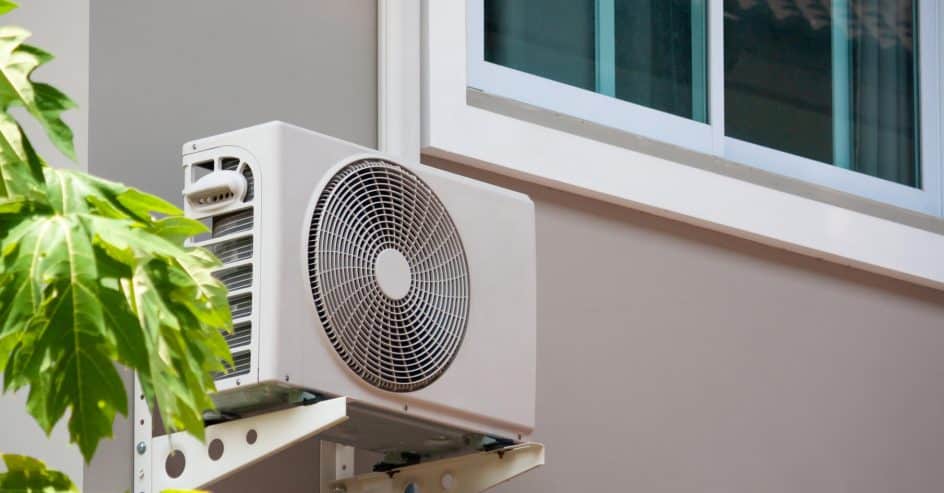
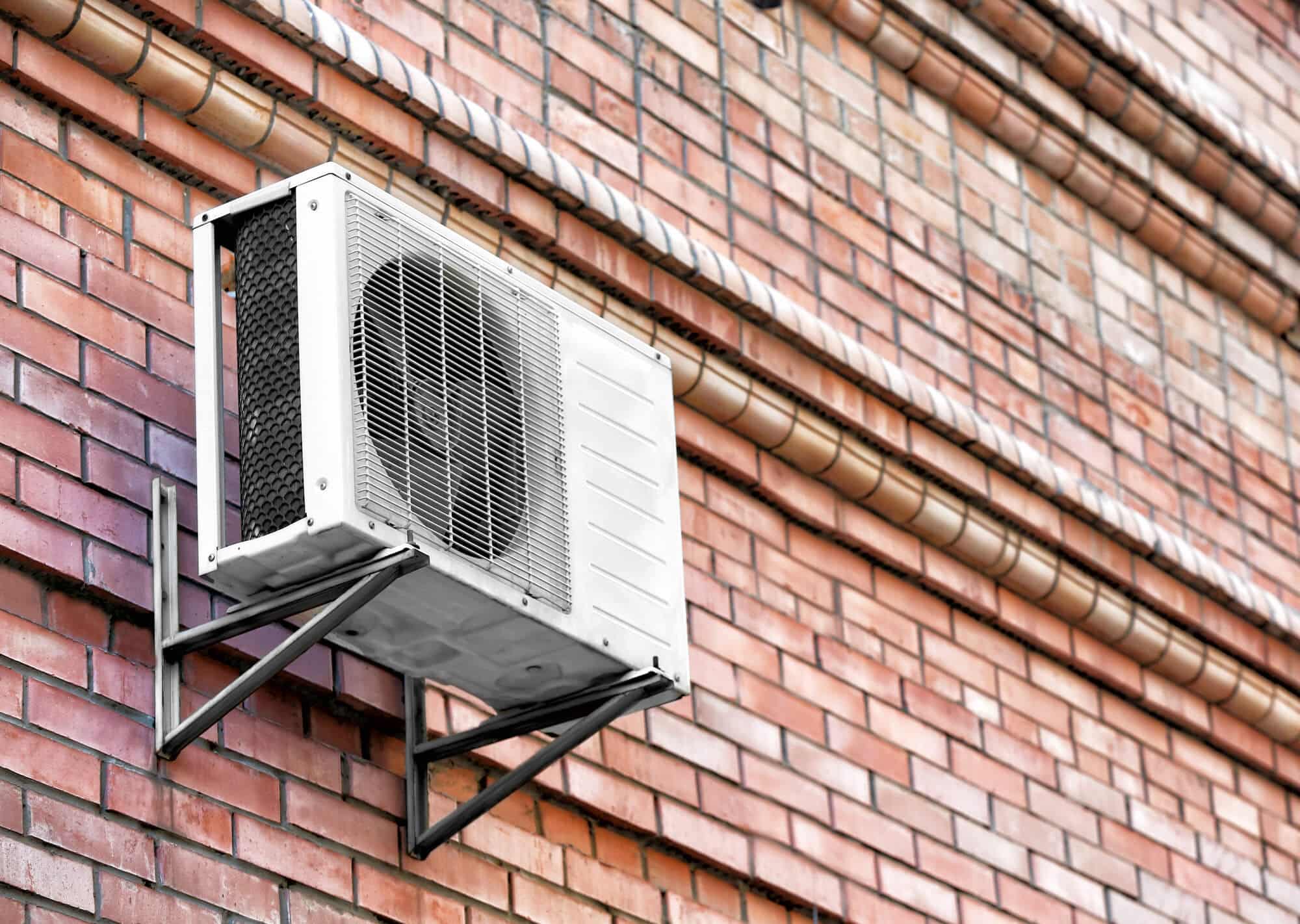
FEMA’s guide to protecting building utilities from flood damage, FEMA P-348, says condenser units are usually placed outside at grade level. The exception is new construction, where flood rules and building codes require them at or above the required flood protection level.
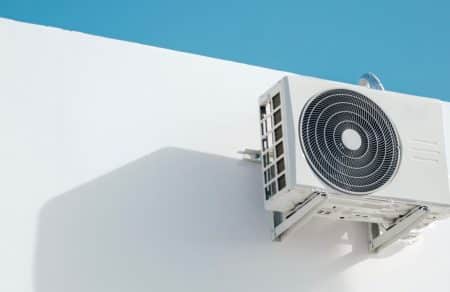
That leaves many existing homes with a condenser or heat pump sitting at ground level. If water rises to that level, it reaches the unit.
Raising a unit has to leave room to service it. FEMA notes that a platform built for technician access may need stairs and safety railings.
Ducts Under Floodwater
Ducts are more fragile in a flood than they look. FEMA notes that a sealed duct sitting in just 6 inches of floodwater takes six times the pressure it was built to operate at, and sealed ducts can collapse even when only partly submerged.
If water does get inside, FEMA says it typically contaminates the system with grit, mud, pathogens and chemicals. Fiberglass duct insulation readily absorbs water, so flooding often destroys it.
Crawlspace ducts are the most exposed. FEMA places them one to two feet below the first finished floor, which is why they take water before the living space does.
How Gretna Homeowners Can Lower the Risk
FEMA’s guidance and the City of Gretna’s rules point in the same direction. Get equipment higher, keep ducts out of the lowest spaces, and have anything that took on water inspected before it runs again.
Approach
What It Protects
What Limits It
Raising the outdoor unit
The condenser or heat pump and its connections
Safe access for servicing and repairs
Raising indoor equipment
Air handler or furnace in a crawlspace or garage
Ceiling height, duct connections and condensate lines
Moving ducts to the attic
Supply and return ducts in a crawlspace
Attic depth, framing and interior finishes
Running ducts in soffits
Ducts that cannot go into the attic
Room layout and the space a soffit takes
Elevating Equipment
FEMA calls elevation the most effective way to protect the main parts of an HVAC system, preferably above the required flood protection level. It also notes that raising equipment even a few inches can sometimes reduce flood risk significantly.
The practical limit is usually access. FEMA lists maintenance and repair access, duct connections and condensate lines among the things that decide how high a component can go. A unit lifted out of reach of water still has to be reachable by a technician.
Moving Ducts Out of the Lowest Spaces
FEMA describes several ways to raise ducts, including running them through attics or knee walls and concealing them in soffits near the ceiling. Where it is possible, it calls relocating ducts to the attic often the most practical option.
In Gretna, that depends on the attic. A shallow, unfloored space can make the move harder, which is a judgment made on site rather than from a plan.
Checking the System After High Water
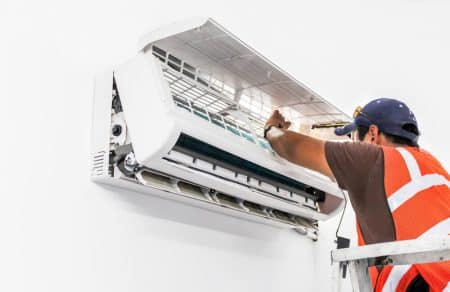
FEMA is direct on this point. After flooding, every utility system that went underwater should be thoroughly inspected to determine whether it is safe to use or re-energize. Simply drying it out may not prevent problems from contamination, mold or corroded parts.
Ductwork is a particular concern. FEMA warns that mold-infected HVAC ductwork can make lung and breathing conditions worse if it is not properly cleaned or replaced.
Speed matters for everything else the water touched. The EPA says water-damaged areas and items should be dried within 24 to 48 hours to prevent mold growth.
Checking the City’s Rules First
The City of Gretna says land in Gretna is in a floodplain and that all work to build, fill or otherwise alter land requires a permit. When improvements or repairs cost 50 percent or more of a building’s fair market value, the structure must be brought up to current minimum elevation standards.
If you are planning a larger renovation along with a new system, check with the city’s Building Department before work starts. The city’s floodplain manager also offers site visits to talk through flood proofing.
What This Means for Your Gretna Home
A Gretna system works harder than average, often sits in a house that was never built for it, and may be closer to floodwater than it should be. None of that means trouble is certain, but it does mean the details of a system here matter more.
Start with what you can check today: where your outdoor unit sits, where your ducts run, and whether your drain line is flowing. If you are replacing equipment, treat its height and the duct route as part of the decision, not an afterthought.
Regular service helps too. Federal buying guidance for heat pumps notes that regular maintenance, such as charging refrigerant and replacing filters, is necessary to maintain peak performance. Our HVAC maintenance service is built around tune-ups that catch a weak component before the season that tests it.
At Big Easy HVAC, we work in Gretna on all nine of our residential services, and estimates are free. For more on how efficiency ratings apply here, see our guide to heat pumps in Louisiana’s climate.
To have your Gretna system looked at, call us today at 504-285-5606!
Frequently Asked Questions
What is the number one problem with HVAC systems?
No federal source ranks a single problem first, but installation is near the top of the list. The Department of Energy’s Federal Energy Management Program says oversizing, improper charging and leaky ducts cause efficiency losses, discomfort and shortened equipment life. In a humid place like Gretna, a clogged condensate drain is another common one, which is why the EPA advises keeping drip pans clean and drain lines flowing.
Is Gretna in a flood zone?
The City of Gretna says land in Gretna is in a floodplain and that all Gretna properties are at risk of flooding from rain. Whether a specific property sits in a FEMA Special Flood Hazard Area depends on the Flood Insurance Rate Maps. The city points residents to the Jefferson Parish geoportal and to the Building Department at City Hall to look up a property.
How high should my outdoor AC unit sit in Gretna?
There is no single height for every house, because the required flood protection level depends on the property. For new construction, FEMA P-348 says flood rules and building codes require the condenser at or above that level. For existing homes, FEMA says any elevation reduces risk and that equipment should go as high as is practical while still allowing safe service access.
Can I run my air conditioner after it sat in floodwater?
FEMA’s guidance is to have any utility system that was underwater thoroughly inspected before it is used or re-energized. Simply drying it out may not be enough to deal with contamination, mold or corroded components. Treat the outdoor unit, the indoor equipment and any submerged ducts as needing that inspection.
Can flooded ductwork be dried out and reused?
Often it cannot. FEMA notes that floodwater typically carries grit, mud, pathogens and chemicals into ducts, and that common fiberglass duct insulation readily absorbs water and is often destroyed. It also warns that mold-infected ductwork can worsen breathing conditions if it is not properly cleaned or replaced, so the ducts should be assessed before the system runs again.
What indoor humidity should a Gretna home stay under?
The EPA recommends keeping indoor humidity below 60 percent, ideally between 30 and 50 percent. An inexpensive humidity meter is enough to check it. If your home sits above that range in summer while the air conditioner is running, the system may not be removing enough moisture. For the duct side of indoor air, see our post on why air duct cleaning matters in New Orleans homes.
Does a renovation in Gretna trigger elevation requirements?
It can. The City of Gretna says that when improvements, or repairs after damage, cost 50 percent or more of a building’s fair market value, the structure has to be brought into compliance with current minimum elevation standards. Any work that alters the land also needs a permit, so check with the Building Department before you start.
Are older Gretna homes harder to keep cool?
They often take more planning. Census estimates show about 73 percent of Gretna’s homes were built before 1980, and many older houses were built before central air was normal, with no space set aside for ducts. That usually makes the duct route and equipment location the first questions, and in some homes a ductless system is the more practical answer.
A maintenance plan is only as good as the checklist behind it, and there is a free national minimum most homeowners have never heard of.
If you have shopped for an HVAC maintenance plan, you have p...
A mini-split gets sold as the simple option. No ductwork, one unit on the wall, finished in a day. The equipment really is simpler than a ducted system, but the install still decides whether you en...
Living in New Orleans means your air conditioner works harder than most systems in the country. Between the relentless summer heat and near-constant humidity, your HVAC cooling system is under real...
Air duct cleaning removes the dust, debris, and buildup that collect inside a home's ductwork over time. The EPA has never called it routine maintenance, and recommends it only under specific condi...
As winter arrives, many of us face the challenge of keeping our homes comfortable and humid. It’s important to keep your home's humidity levels balanced throughout the year for optimal health and c...
If your power bill climbs every May and does not come back down until October, the problem is usually not the price of electricity. Louisiana households pay about 14.44 cents per kilowatt hour, wel...

 Oct 5, 2026
 FEMA’s guide to protecting building utilities from flood damage, FEMA P-348, says condenser units are usually placed outside at grade level. The exception is new construction, where flood rules and building codes require them at or above the required flood protection level.
 FEMA is direct on this point. After flooding, every utility system that went underwater should be thoroughly inspected to determine whether it is safe to use or re-energize. Simply drying it out may not prevent problems from contamination, mold or corroded parts.
 By Admin